THINK DIGITAL
What is Digital Marketing?
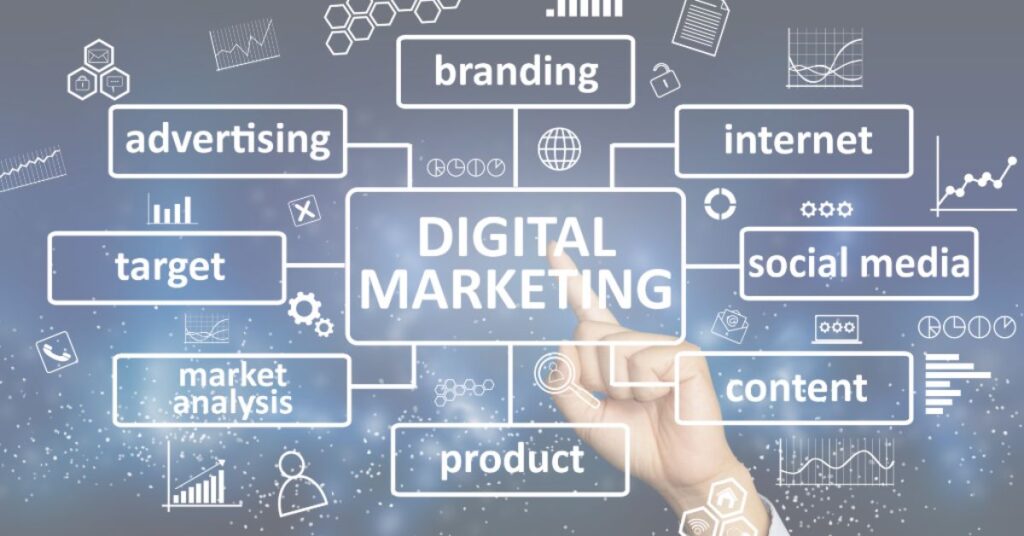
Digital Marketing is the art and strategy of promoting your business through online platforms.
It includes a wide range of activities such as:
Search Engine Optimization (SEO) – Optimizing your website to appear higher on Google search results.
Social Media Marketing (SMM) – Promoting your business on platforms like Instagram, Facebook, LinkedIn, and more.
Content Marketing – Creating valuable content (blogs, videos, infographics) to attract and engage your audience.
Email Marketing – Reaching your customers directly in their inbox.
Pay-Per-Click (PPC) Advertising – Running paid ads on Google or social platforms to bring quick traffic and leads.
Unlike traditional marketing, digital marketing is data-driven, interactive, and allows businesses to build two-way communication with their customers.
🚀 Why Digital Marketing is Important
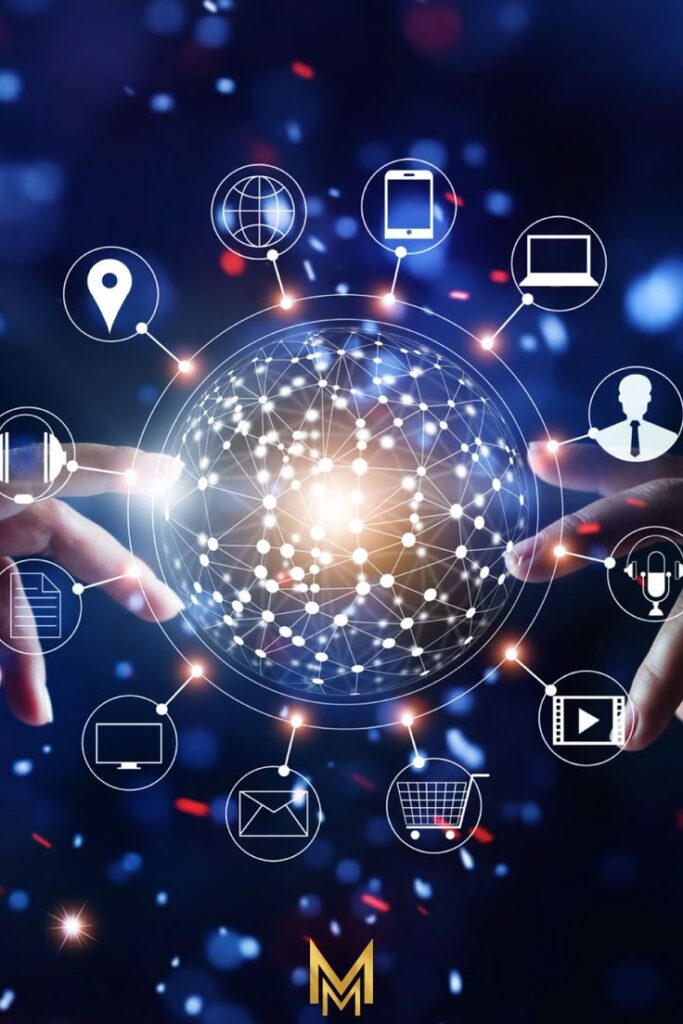
The world is online — and so are your customers. Whether it’s searching for a product, reading reviews, or comparing brands, people use the internet for everything. If your business isn’t visible online, you’re missing out on a massive audience.
✨ Key Reasons Why Digital Marke
ting Matters
Wider Reach, Lower Cost : With digital marketing, a small business can reach a global audience without spending huge amounts like in TV or newspaper ads.
Precise Targeting : You can choose exactly who sees your ads — based on age, location, interests, or behavior. This ensures your budget is spent on the right audience.
Real-Time Interaction : You can connect with your audience instantly through social media, chatbots, and live campaigns. This builds stronger relationships and trust.
Trackable & Measurable : Every click, impression, and conversion can be tracked. Unlike traditional marketing, you can see exactly what’s working and what’s not, and adjust your strategy quickly.
Builds Brand Credibility : A strong online presence makes your business look professional and trustworthy. Reviews, testimonials, and active social media pages help build customer confidence.
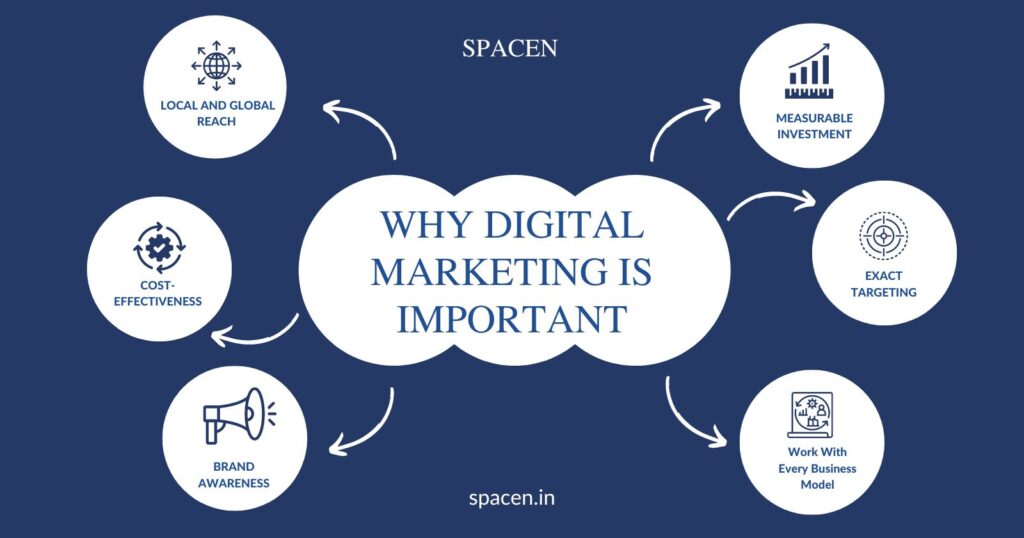
🌟 Positive Sides of Digital Marketing
✅ Global Reach
Your business is no longer restricted to a single location. With just a website and social media, you can attract customers worldwide.
✅ Cost-Effective
Digital campaigns can be started with small budgets and scaled as you grow. It’s ideal for startups and small businesses.
✅ Highly Measurable
Every aspect of your campaign is trackable. You can see who clicked, how many visited your site, and who made a purchase.
✅ Personalized Experience
You can create personalized messages for each group of customers, increasing engagement and conversions.
✅ 24/7 Availability
Your website and ads work around the clock — even when you’re not. This means customers can discover your brand anytime.
✅ Faster Conversions
With clear call-to-actions, landing pages, and targeted ads, visitors can turn into leads or customers within minutes.
⚠️ Negative Sides of Digital Marketing
❌ Intense Competition
Since most businesses are online, standing out requires creativity, strategy, and consistent effort.
❌ Constant Learning Curve
Digital trends, algorithms, and technologies change fast. You must keep learning and adapting to stay relevant.
❌ Time-Consuming
Managing multiple platforms, creating content, and analyzing data can take time if you don’t have a proper plan or team.
❌ Privacy & Security Risks
Collecting and storing user data must be done carefully to protect against breaches and comply with privacy laws.
❌ Negative Feedback is Public
Unhappy customers can share their opinions online. If not handled professionally, it can affect your brand image.
📝 Conclusion
Digital marketing is the backbone of modern business growth. It gives you the tools to reach your audience, build trust, and grow faster than ever.
However, to succeed, you need a strategic approach, consistent effort, and a focus on customer value. When used wisely, the advantages of digital marketing far outweigh the negatives — helping your business shine in the digital world. It also opens endless opportunities for innovation, allowing businesses to adapt quickly to changing market trends and customer needs.