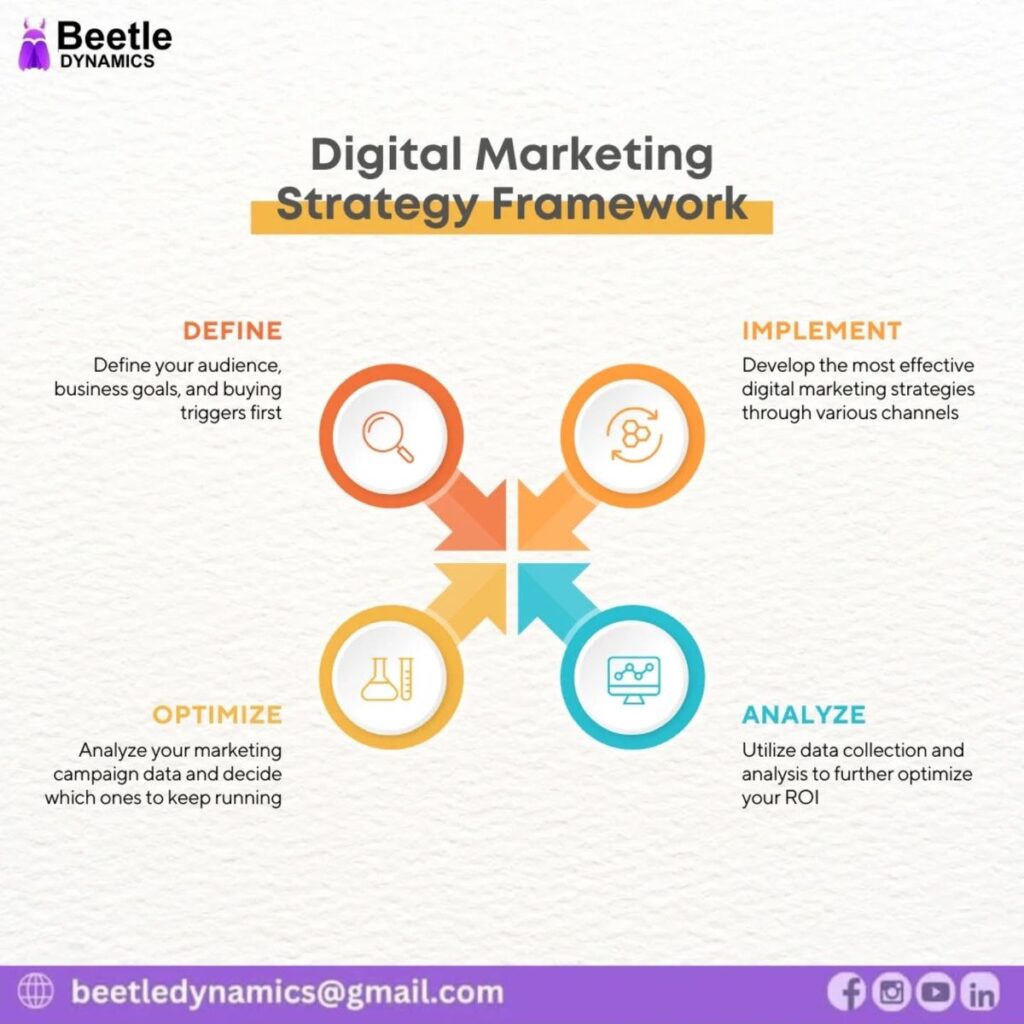
Digital marketing is the practice of promoting brands, goods, and services through the use of digital technologies and online platforms. To reach specific audiences, it combines tactics like Pay-Per-Click (PPC), Email Marketing, Social Media Marketing (SMM), Search Engine Optimization (SEO), and Content Marketing. Businesses can monitor performance, interact with clients in real time, and produce quantifiable outcomes quickly and affordably with analytics and data-driven insights.
Understanding how to advertise goods and services online via platforms like social media, websites, search engines, and email is one of the fundamentals of digital marketing. It draws attention to important components like SEO, analytics, online advertising, social media interaction, and content marketing. These fundamental ideas support companies in generating leads, increasing website traffic, developing brand awareness, and successfully interacting with their target audience. In today’s digital world, marketers can develop data-driven strategies that yield quantifiable outcomes and sustained growth by grasping the fundamentals.

hey are the foundation of a successful digital marketing growth strategy and online presence. Essentials: https://infratechacademy.com/
Expanding a website’s content to make it higher in Google and increase organic traffic is referred to as search engine optimization, or SEO.
The process of putting sponsored ads, like Google Ads, at the top of searches is referred to as search engine marketing, or SEM.
Content marketing involves creating interesting and informative content, including blogs, videos, and infographics. Social media marketing is the act of advertising brands on social sites such as Facebook, Instagram, LinkedIn, and X in an effort to boost engagement and trust.
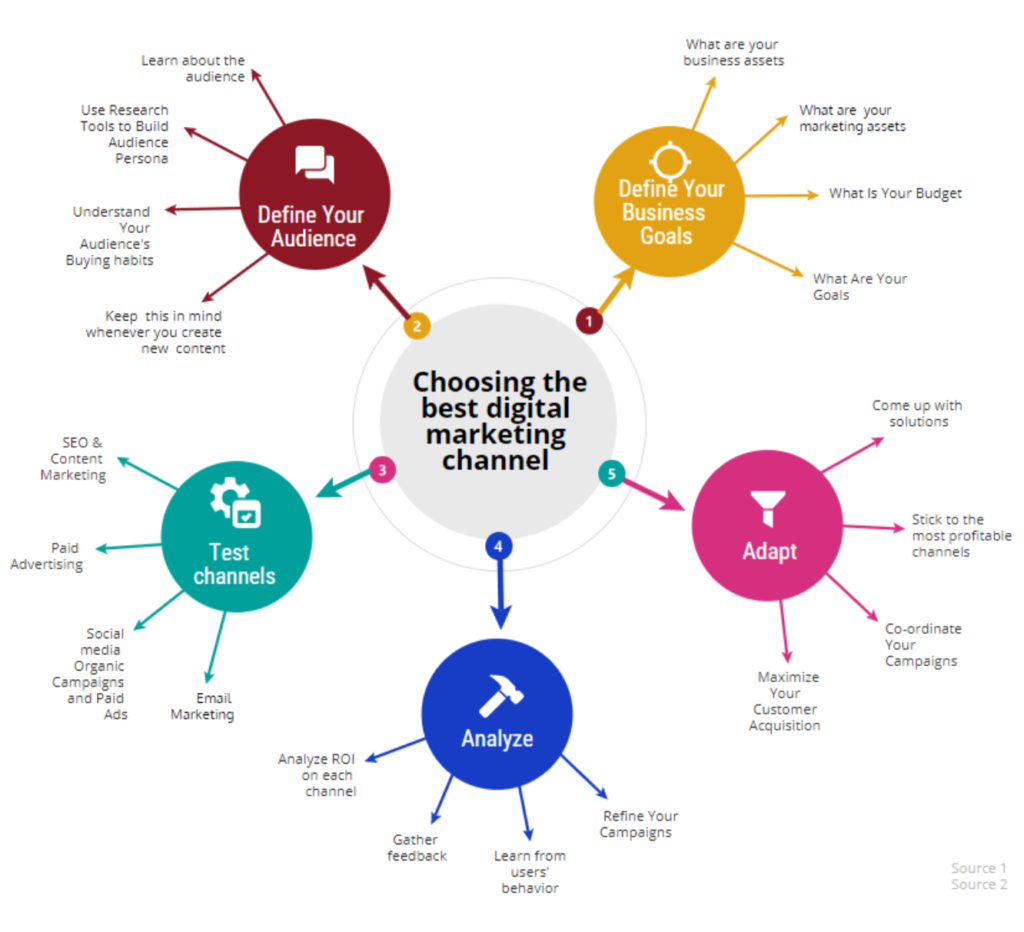
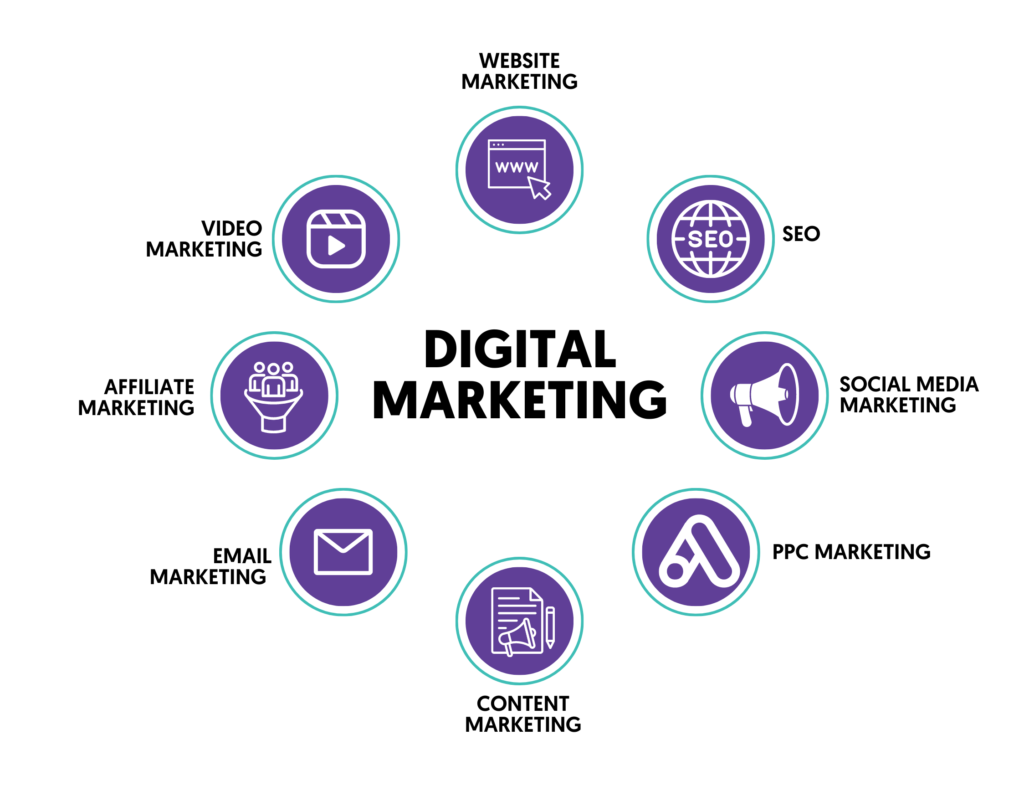
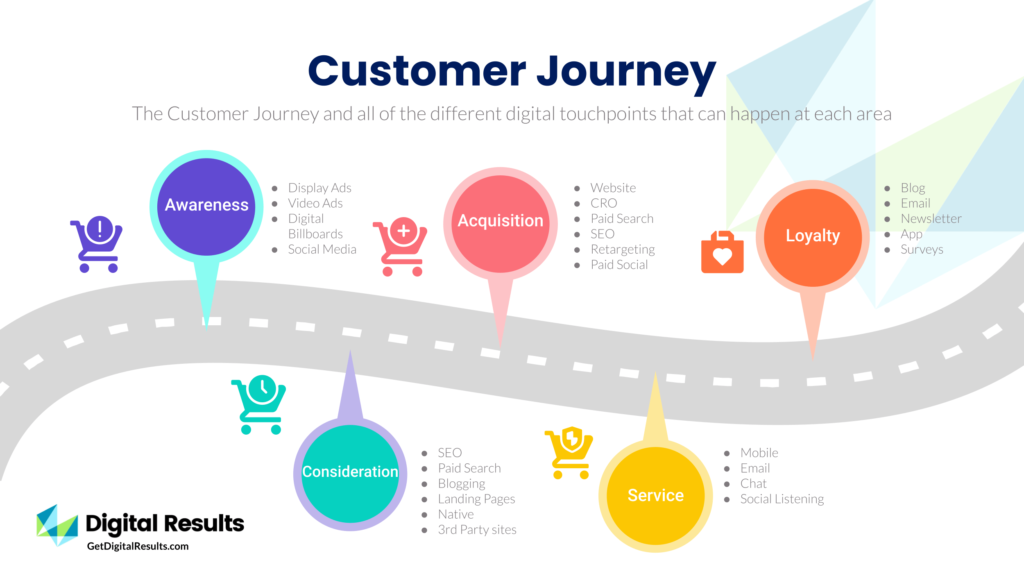
1. Search Engine Optimization (SEO) for Digital Marketing
-
Purpose: Increase visibility in organic (non‑paid) search results as part of a digital marketing strategy. https://infratechacademy.com/
-
Key Activities:
-
On‐page SEO: keywords, meta tags, headings, internal links
-
Off‐page SEO: acquiring backlinks from reputable sites
-
Technical SEO: site speed, mobile‐friendliness, HTTPS, structured data
-
User Experience (UX): navigation, clean design, readability
-
Mobile Optimization: ensuring a strong mobile experience
-
2. Search Engine Marketing (SEM) / Paid Search
-
Purpose: Use paid ads (e.g., Google Ads) to drive traffic via search engines. https://infratechacademy.com/
-
Key Activities:
-
Keyword Research: Identify terms your audience searches.
-
Ad Creation: Write compelling and relevant ad copy.
-
Bid Management: Set and adjust bids on keywords.
-
Landing Page Optimization: Direct users to effective pages that convert.
-
Performance Tracking: Measure clicks, conversions, and cost-per-click (CPC).
-
.
3. Content Marketing in Digital marketing
-
Purpose: Attract and engage audiences by sharing valuable content. https://infratechacademy.com/
-
Key Activities:
-
Audience Research: Understand the interests and problems of your target group.
-
Content Types: Blogs, articles, infographics, videos, podcasts, case studies.
-
SEO Integration: Use keywords to ensure your content is discoverable.
-
Content Calendar: Maintain a consistent publishing schedule.
-
Distribution: Promote content via email, social media, and SEO.
-
. Social Media Marketing in Digital marketing
-
Purpose: Build brand awareness, engage users, and drive traffic/sales using social platforms. https://infratechacademy.com/
-
Key Activities:
-
Platform Selection: Choose based on audience (e.g., Instagram for B2C, LinkedIn for B2B).
-
Content Creation: Posts, reels, stories, videos tailored to each platform.
-
Community Building: Engage through comments, messages, live sessions.
-
Paid Advertising: Boost posts, run targeted ads for awareness or conversions.
-
Analytics: Monitor engagement, reach, and conversions
-